
Program
KAF
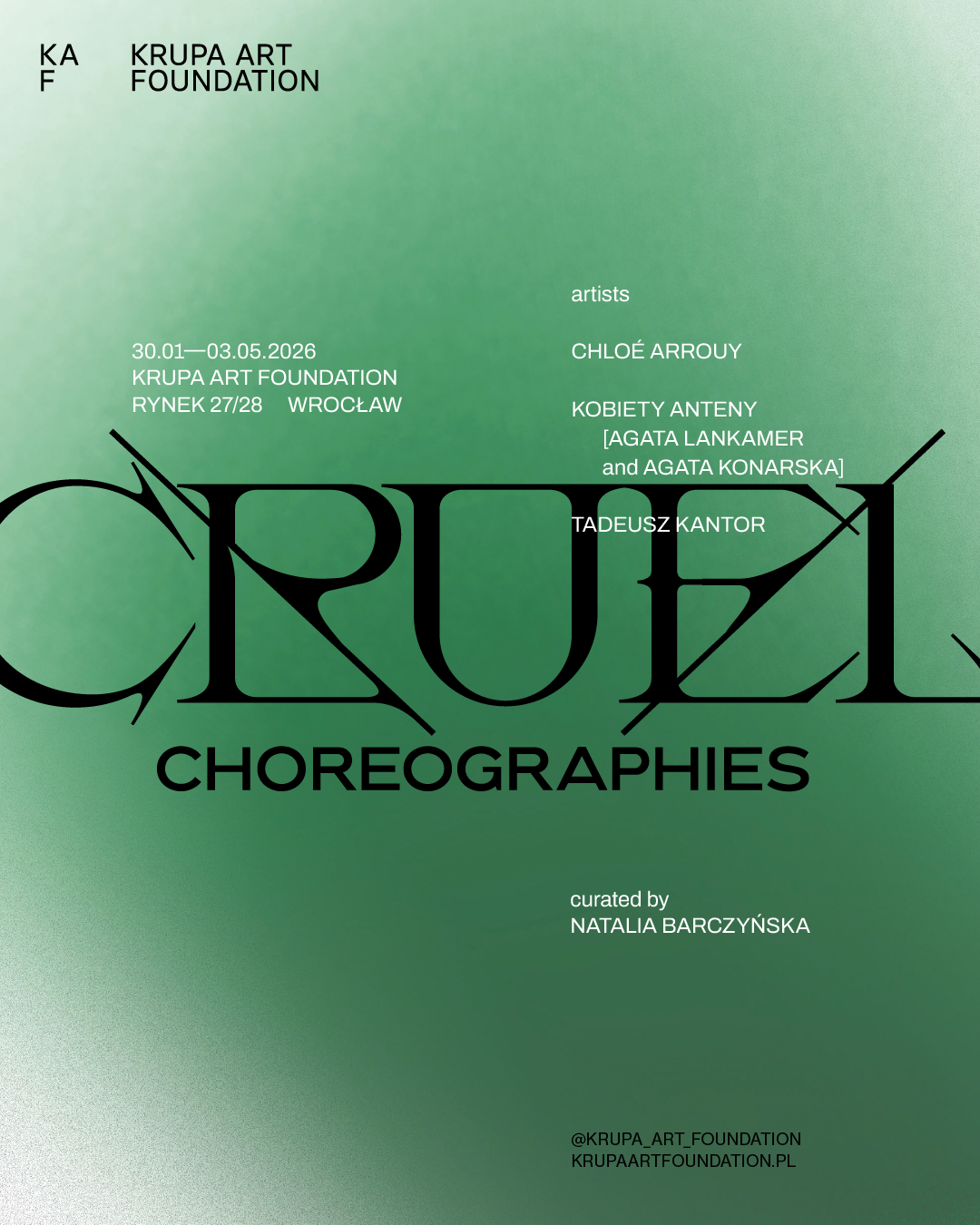
30.01–03.05.2026
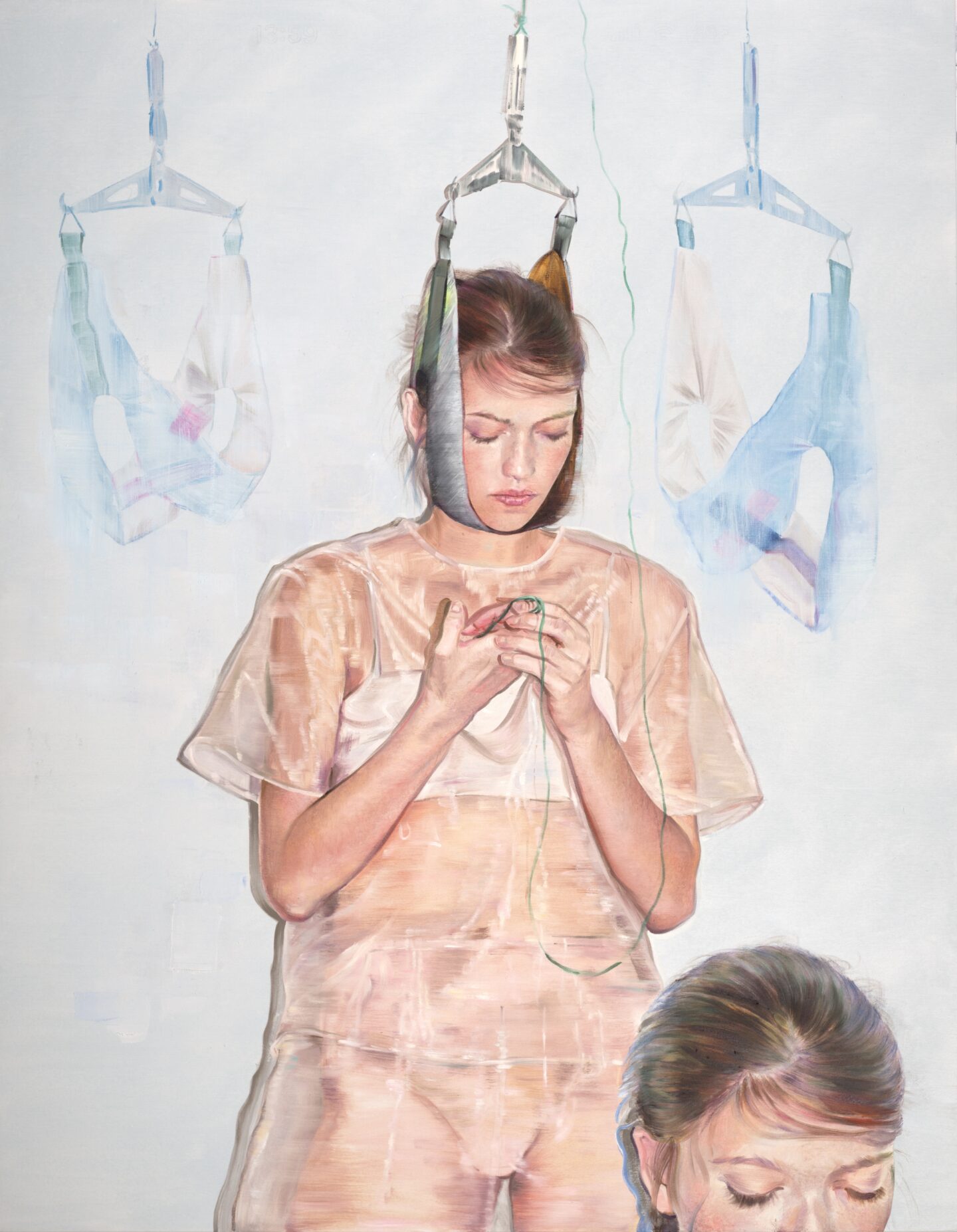
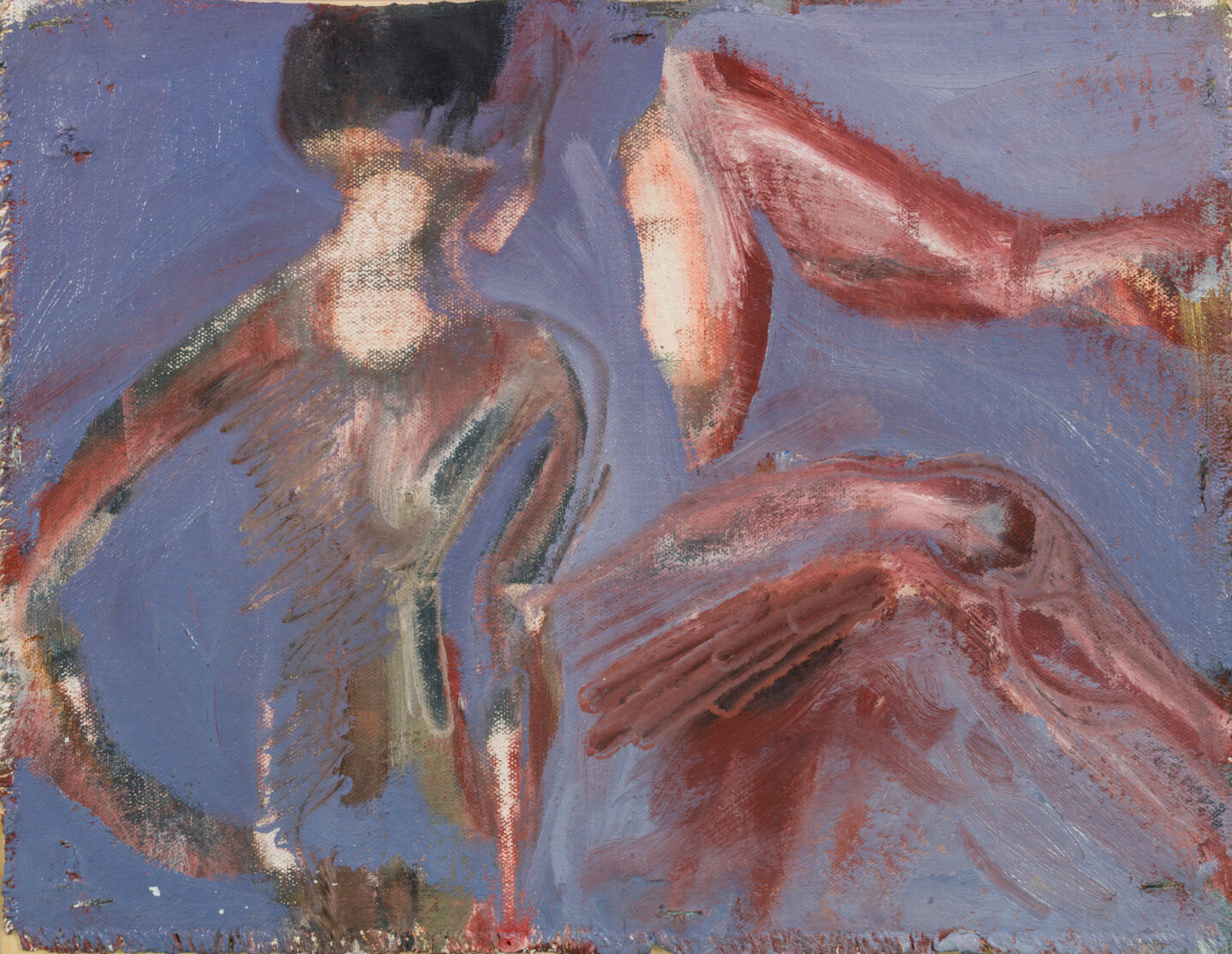
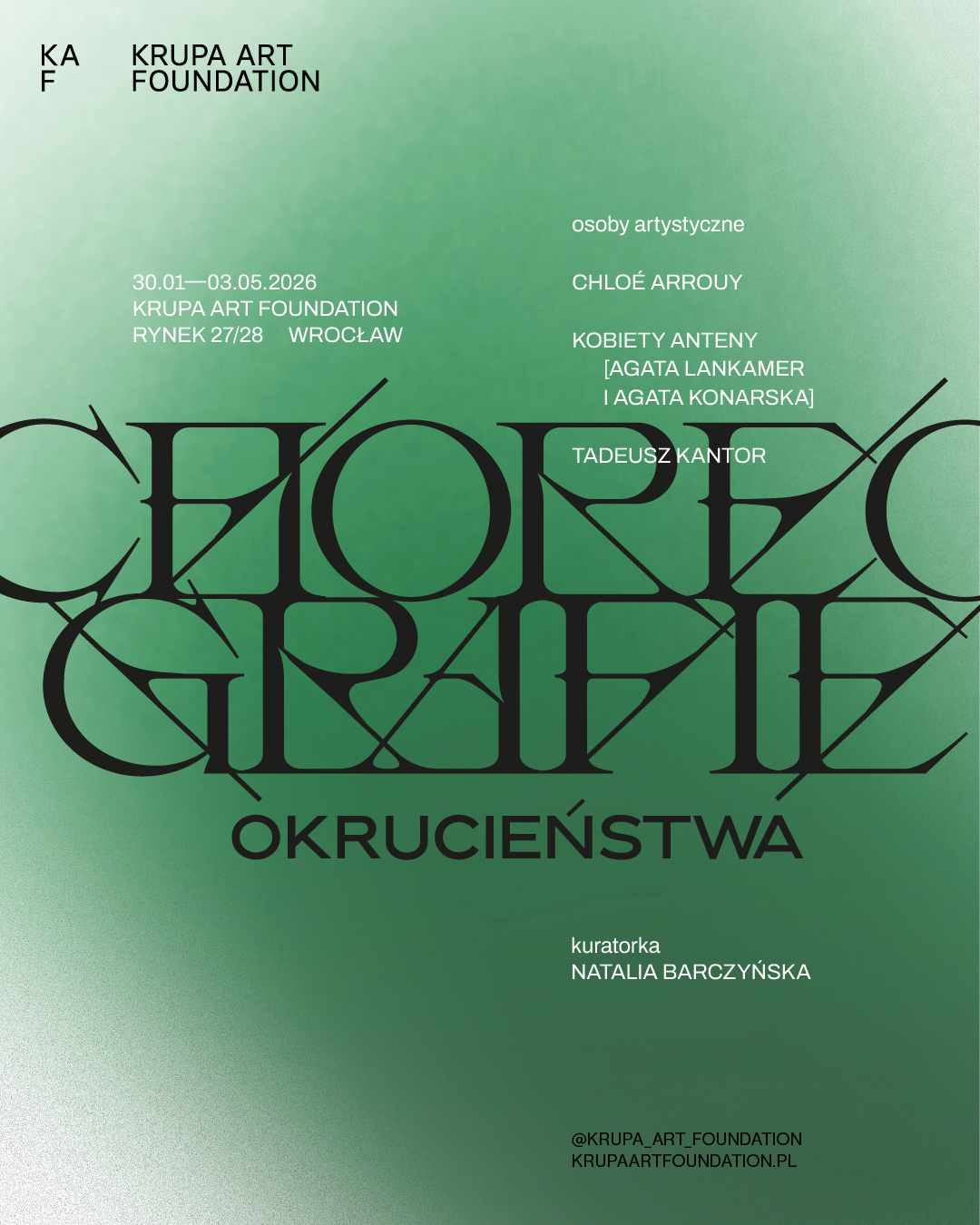
The exhibition brings together the artistic practices of three representatives of a younger generation—Chloé Arrouy and the duo Women Antenas (Agata Konarska and Agata Lankamer)—with historical objects by Tadeusz Kantor. Despite generational differences and the use of distinct media, these works are bound by a shared interest in the body as a site of violence, performance, and memory—both material and digital.
What unites these four voices is a common investigation of the intersections between visual art and (non-)functional design, theatre, scenography, and the performative nature of everyday rituals. These rituals often present themselves as ostensibly wellness-oriented, yet repeatedly reveal themselves as discreetly self-destructive practices. The exhibition constructs a choreography of hybrid sculptural forms and digital works that reference both contemporary instruments of torture—emotional, virtual, algorithmic—and medieval objects designed for punishment, control, or shaming.
In cultural representations, instruments of torture often appear as props of injustice, recalling the witch hunts, during which any woman who did not confess to forbidden practices was subjected to torture—placing countless women in an inescapable trap. This logic finds its reflection in the present, where still-operative binary, patriarchal divisions cast women in the role of contemporary witches. Consequently, the exhibition engages with an increasing entanglement in aesthetics, consumption, and questions surrounding the conceptual echo of commodified femininity and emotional labour.
This choreography of hybrid forms—sculptures, installations, and digital works—lays bare contemporary tools of pressure: algorithmic control, cyberviolence, and social expectations imposed upon bodies, particularly female bodies. Kantor’s Family Machine, re-read as a metaphor of objectification, resonates with the fetishistic, metallic, quasi-utilitarian objects of Chloé Arrouy and with the cyber-spatial “instruments of torture” generated by Women Antenas. The duo, in turn, addresses AI-generated deepfakes, performative online bodies, and cyberviolence, constructing digital torture devices that operate ephemerally yet inflict profound harm.
The exhibition design, situated within a historic bunker, deepens these narratives by weaving together references to the aesthetics of early-2000s cinema, the visual codes of medieval torture devices, and their futuristic transformations. The result is a multilayered interpretation of cruelty unfolding across multiple temporal axes, in which past, present, and imagined futures permeate one another in a dynamic interplay of forms.
At the core of Cruel Choreographies lies the notion of life as theatre—where gender, trauma, and intimacy are performed through both material objects and digital simulations. Sculptures become actors, tools transform into scripts, and the viewer is invited into a scenography of tension in which desire and revulsion invariably coexist. The dialogue between historical and contemporary perspectives on power foregrounds recurring patterns of vulnerability and resistance—materialised in objects that, though seemingly inanimate, are charged with performative and emotional intensity.
artists: Chloé Arrouy, Tadeusz Kantor, Women Antenas (Agata Konarska, Agata Lankamer)
curator: Natalia Barczyńska
key visual: Magdalena Jaskułowska
lead producer: Agnieszka Marcinowska
art handler: Michał Michałczak
promotion: Klaudia Ciepłucha
proofreading & translations: Aleksandra Helle, Karol Waniek
Partners: National Galleries of Scotland, Demarco digital Archive, Ośrodek Dokumentacji Sztuki Tadeusza Kantora Cricoteka
Media Partners: Mint Magazine
Special thanks to: Justine Fabre, Kamil Kuitkowski, Adam Martyniak, Fredrik Malmedal Salhus, Aleksander Michalczuk, Piotr Michalczuk
(PL) program towarzyszący
- 29.01.2026 | opening of the Focus and Cruel Choreographies exhibitions | free tickets available here
- 30.01.2026 | Performance at KAF: farfalina farfalina
- 31.01.2026 | Curatorial tour of the exhibition Choreographies of Cruelty with Natalia Barczyńska
- 31.01.2026 | The Hand That Rocks the Cradle Holds the Brush | author talk at Primo!
- February 2026 | Non-Date with Art #4 | more information coming soon
- February 2026 | Concert at KAF: Rydlevskaya
- February 2026 | Post Noviki | more information coming soon
- 8.03.2026 | KAF x Animator: animation screening | more information coming soon
Exhibition dates: 30 January 2026 – 3 May 2026
Opening: 29 January 2026
More information coming soon.
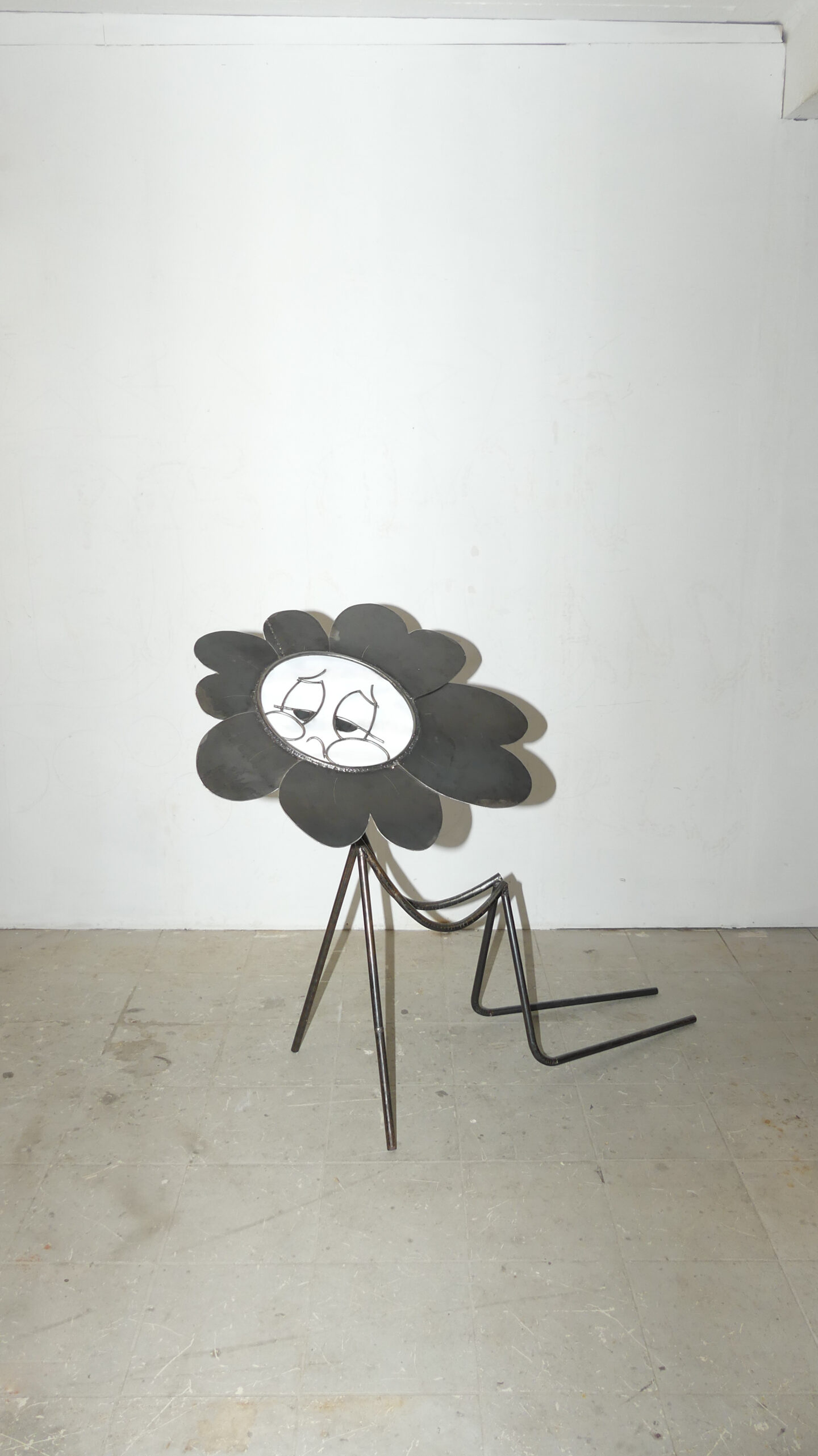 Chloé Arrouy - untitled, 2024, courtesy of artist.
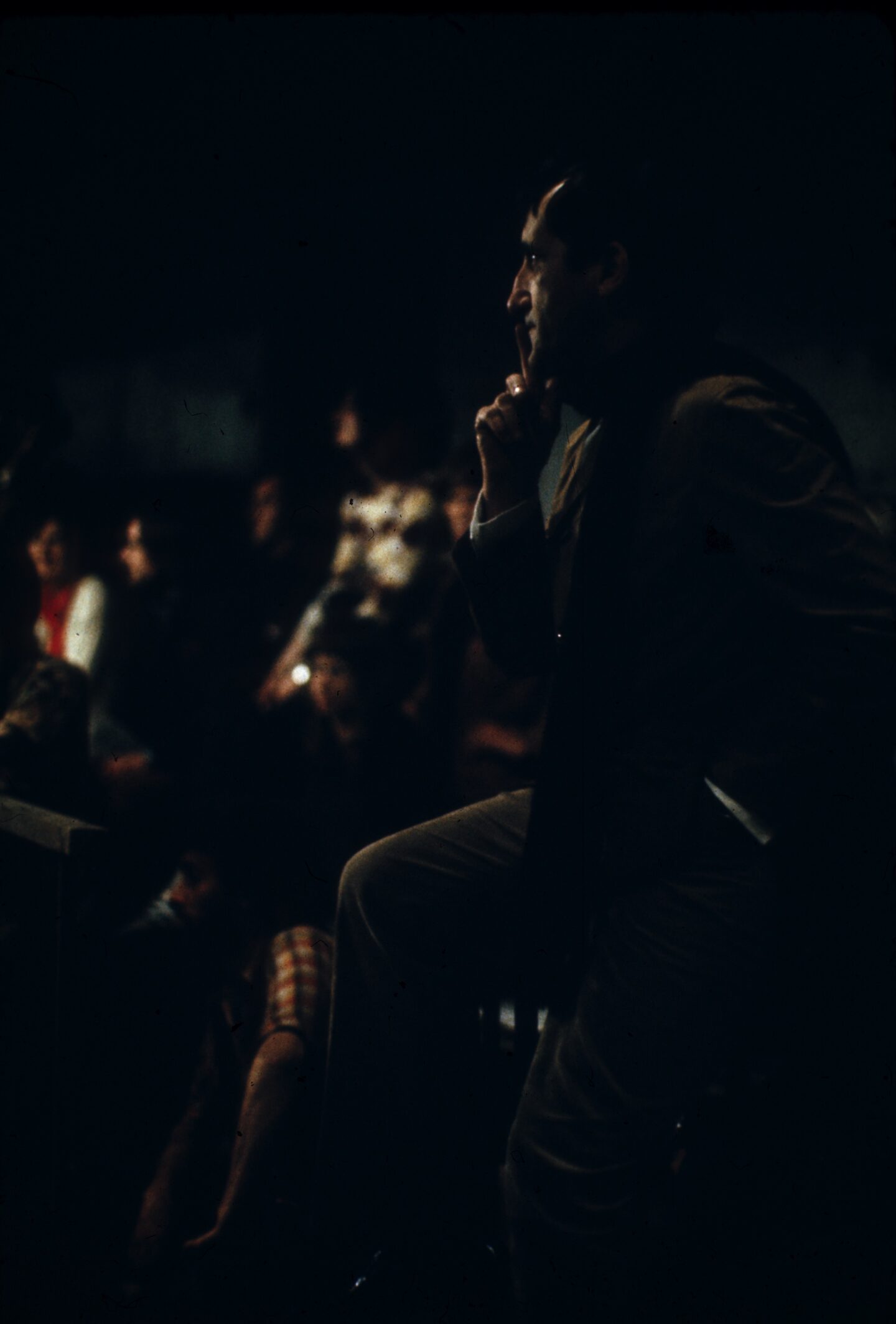 Performance of „The Water Hen” by Tadeusz Kantor's Cricot 2 theatre company at Forrest Hill Poorhouse, Edinburgh. Edinburgh Festival 1972, 35 mm slide, fot. Richard Demarco
© Richard Demarco
© Tadeusz Kantor
All rights reserved.
Performance of „The Water Hen” by Tadeusz Kantor's Cricot 2 theatre company at Forrest Hill Poorhouse, Edinburgh. Edinburgh Festival 1972, 35 mm slide, fot. Richard Demarco
© Richard Demarco
© Tadeusz Kantor
All rights reserved.
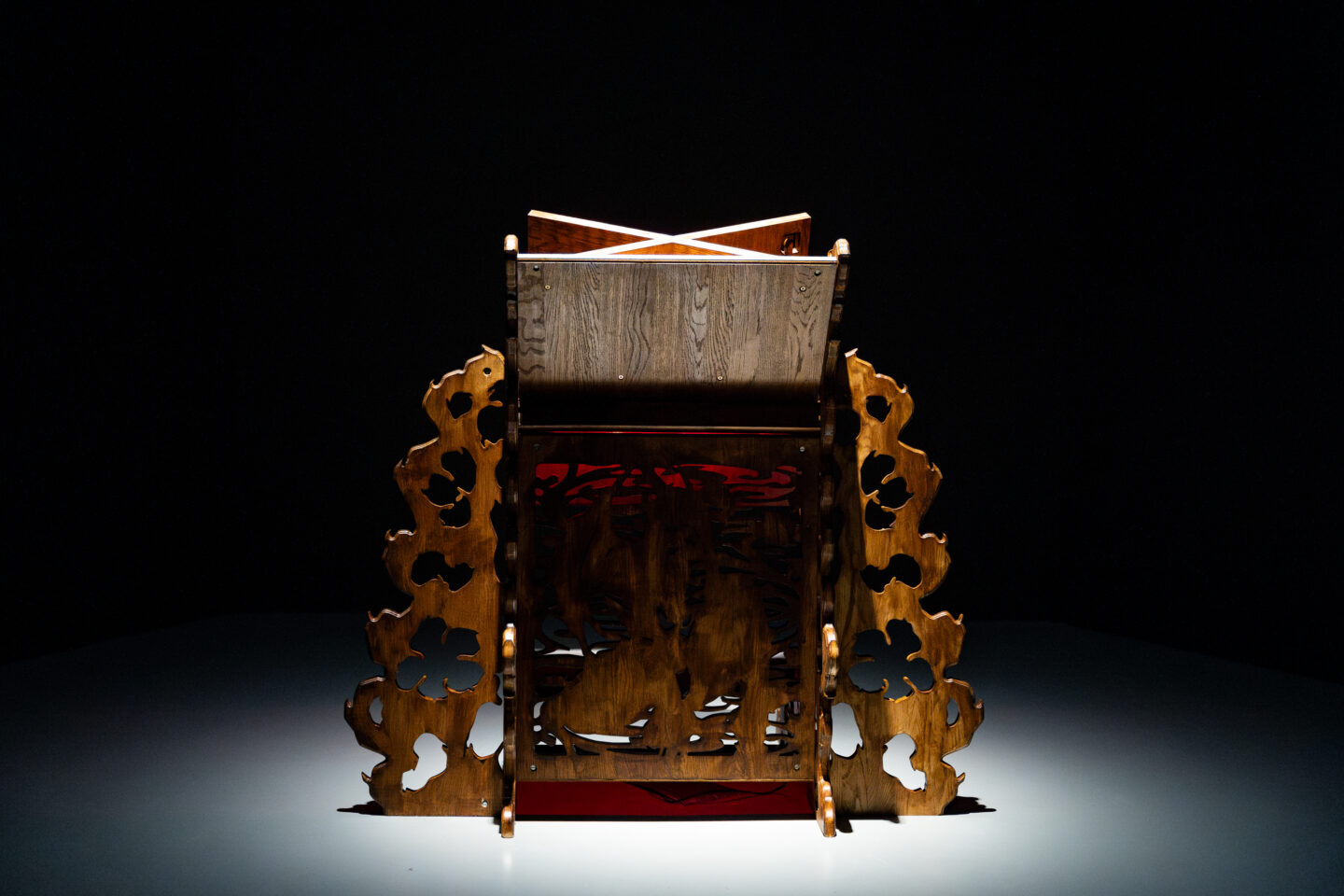 Kobiety Anteny - „Ogrody samotności”, fot. Dominika Jurga.
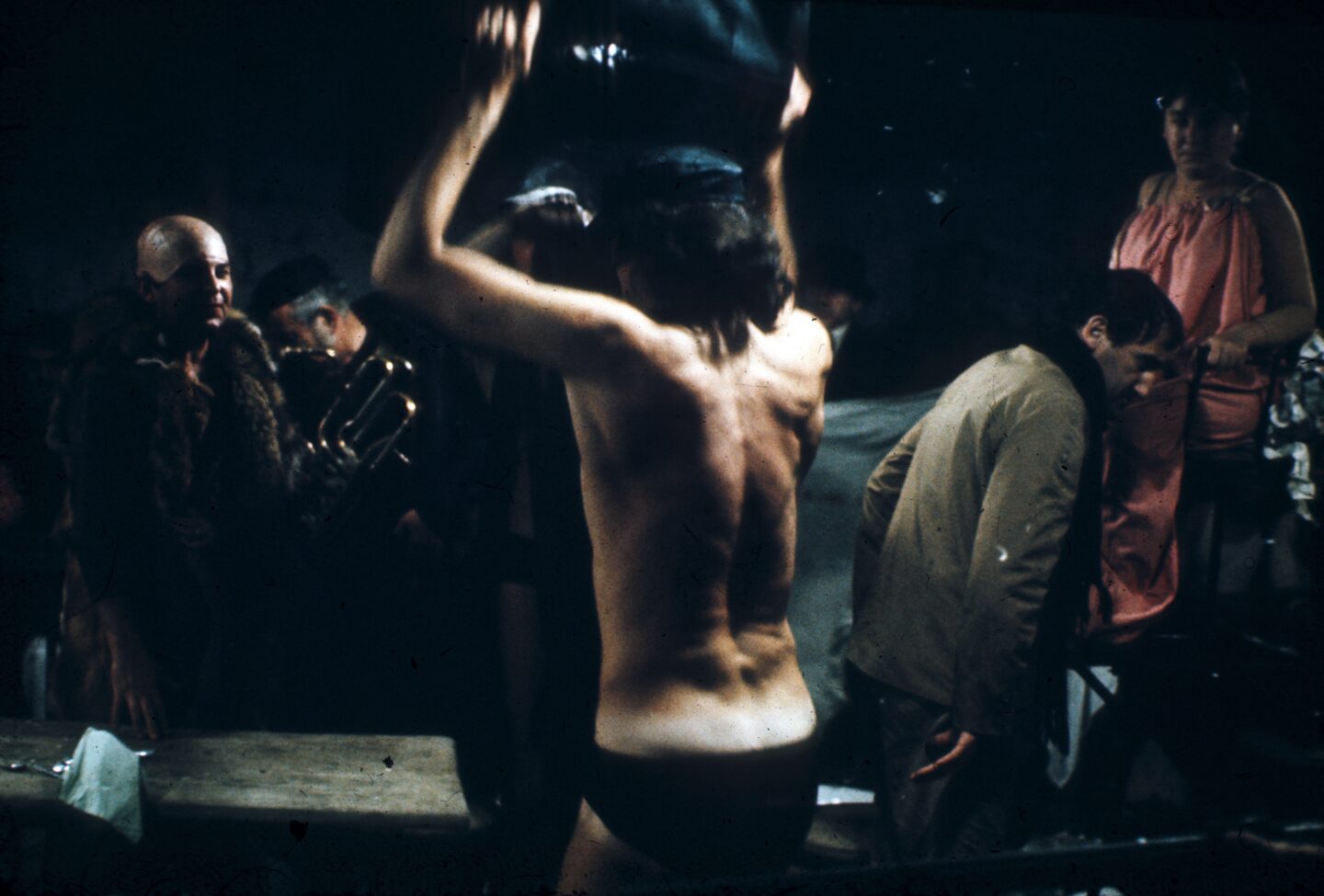 Performance of „The Water Hen” by Tadeusz Kantor's Cricot 2 theatre company at Forrest Hill Poorhouse, Edinburgh. Edinburgh Festival 1972, 35 mm slide, fot. Richard Demarco
© Richard Demarco
© Tadeusz Kantor
All rights reserved.
Performance of „The Water Hen” by Tadeusz Kantor's Cricot 2 theatre company at Forrest Hill Poorhouse, Edinburgh. Edinburgh Festival 1972, 35 mm slide, fot. Richard Demarco
© Richard Demarco
© Tadeusz Kantor
All rights reserved.
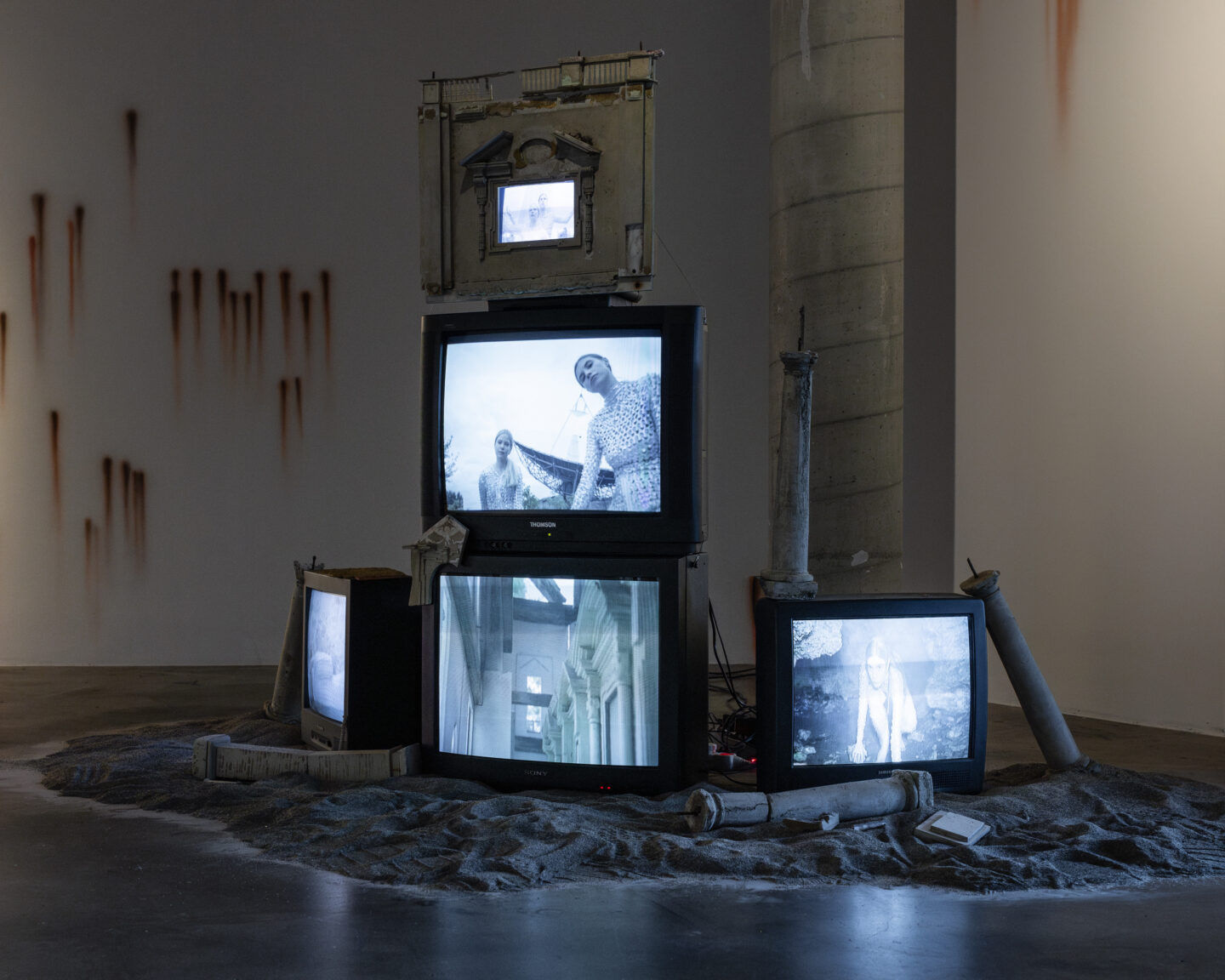 Kobiety Anteny - Performance - fot. Szymon Sokołowski.
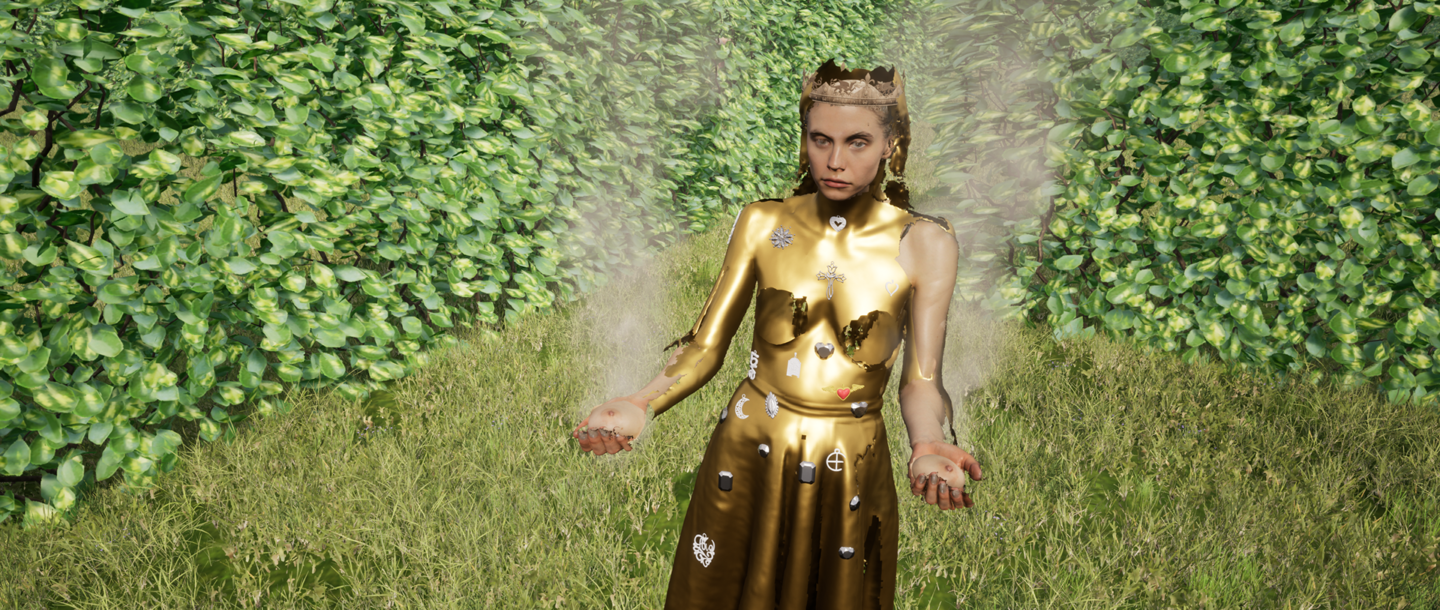 Kobiety Anteny (Agata Konarska) - „Thronum Gratiae”, 2023.
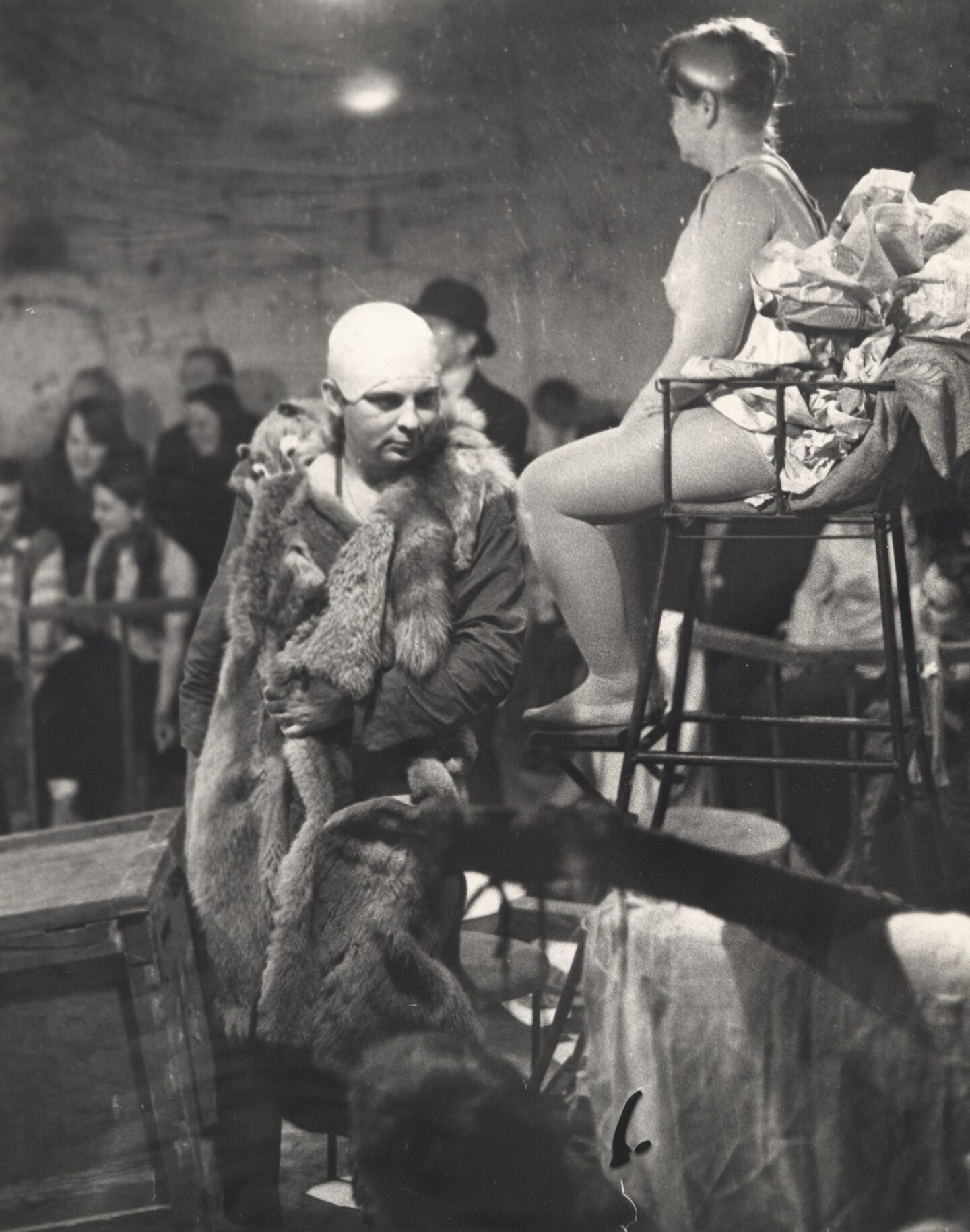 Performance of „The Water Hen” by Tadeusz Kantor's Cricot 2 theatre company at Forrest Hill Poorhouse, Edinburgh. Edinburgh Festival 1972, 35 mm slide, fot. Richard Demarco
© Richard Demarco
© Tadeusz Kantor
All rights reserved.
Performance of „The Water Hen” by Tadeusz Kantor's Cricot 2 theatre company at Forrest Hill Poorhouse, Edinburgh. Edinburgh Festival 1972, 35 mm slide, fot. Richard Demarco
© Richard Demarco
© Tadeusz Kantor
All rights reserved.