Program
KAF
7 November 2026 – 31 January 2027
A Mysterious Discovery in the Heart of Wrocław. What Was Hidden in a Former Cold War Shelter? Artium Milites. History Reforged. Horacy Muszyński at Krupa Art Foundation
On 6 November 2026, Krupa Art Foundation will open Horacy Muszyński’s exhibition Artium Milites. History Reforged. Accompanying the KAF Young Art Prize 2026 exhibition, the presentation revisits the competition’s inaugural edition and the work of one of its twelve finalists. The artist will present an expanded version of his Artium Milites project, developed in collaboration with a team of researchers, conservators and other specialists. Occupying a former Cold War shelter, the exhibition will unfold as a multifaceted narrative exploring the complex history of art conservation, power and social progress.
The starting point for the exhibition was a discovery made during conservation and demolition work in the historic part of Krupa Art Foundation’s premises, within a former Cold War shelter. The objects and materials unearthed at the site may be connected to the activities of Artium Milites, the Order of the Guardians of Art. Their provenance and significance have become the subject of an investigation conducted in collaboration with artist Horacy Muszyński and a team of researchers and specialists. Artium Milites. History Reforged will offer the public the first opportunity to explore the findings of this research and examine materials associated with the discovery.
At the heart of the project is the Order of the Guardians of Art – an organisation whose origins can be traced back to the Middle Ages and whose formal establishment is dated to 1356. According to one of the hypotheses explored by the artist, the order was founded to protect cultural artefacts, honour art and promote progress. From its inception, it was characterized by inclusivity, admitting both men and women and granting them equal rights and opportunities to participate in its activities. Some accounts suggest that, as early as the seventeenth century, the order was involved in educating the lower social classes and advocating freedom of religion, tolerance and the principles of free love.
The order’s progressive ideals brought it into conflict with religious institutions. The Church accused its members of worshipping Satan. Some researchers regard a fresco at Łęczyca Castle, believed to have once served as the order’s headquarters, as evidence of these accusations. One of the central figures in the order’s history is Captain Dorota Piekuta, its last prioress, who is said to have fought alongside the troops of Ars Defensores for the freedom of those subjected to oppression. Captured, imprisoned in the dungeons of Kraków and eventually burned at the stake, she has become a symbol of resistance to persecution. Her fate is commemorated in one of the works presented in the exhibition.
Muszyński develops this narrative through a range of media, combining artistic practice with craftsmanship and historical research methods. The project brings together sculptors, architects and artists, as well as historians, anthropologists and art conservators. This interdisciplinary collaboration has enabled the development of an intricate network of references in which material traces of the past, visual evidence and historical narratives converge to form a coherent yet multilayered whole.
The exhibition at Krupa Art Foundation will focus both on pivotal moments in the history of the Order of the Guardians of Art, particularly its efforts to safeguard works of art and sites of cultural significance in times of historical conflict, and on the latest discoveries concerning its past. Research conducted since the project’s previous presentation two years ago has expanded the narrative to incorporate new strands of inquiry and findings.
Artium Milites. History Reforged invites visitors into a world where art history becomes intertwined with narratives of institutions, ideologies and social transformation. Horacy Muszyński’s project seeks to reconstruct and interpret the history of Artium Milites while examining how narratives of the past are constructed, how the memory of historical figures is preserved, and what role art can play in sustaining collective memory, defending fundamental values and safeguarding individual rights.
Horacy Muszyński – artist and finalist of the inaugural KAF Young Art Prize.
Curator: Natalia Barczyńska
Exhibition duration: 7 November 2026 – 31 January 2027
Opening: 6 November 2026
Exhibition Design and Installation: Horacy Muszyński
Curator: Natalia Barczyńska
Lead Producer: Agnieszka Marcinowska
Art Handling: Michał Michałczak
Production: Anna Urbanowicz
Conservation and Reconstruction: Lew i Krzysztof Sołowiejowie
VR Simulation: Rafał Pietrowicz
Research and Academic Support: Prof. Leon Słowikowski, Karol Godlewski, M
Audio Guide – Voices: Krystyna Czubówna, Maciej Gudowski
Audio Guide Editorial Development: Wojciech Pusłowski
Key Visual: Magdalena Jaskułowska
Promotion: Klaudia Ciepłucha
Translations: Karol Waniek
Frame Conservation and Framing: Renes Team
Media Partners: PostHistory, Mint, Pismo, Radio Wrocław, Radio RAM
Special Thanks: City Museum of Wrocław
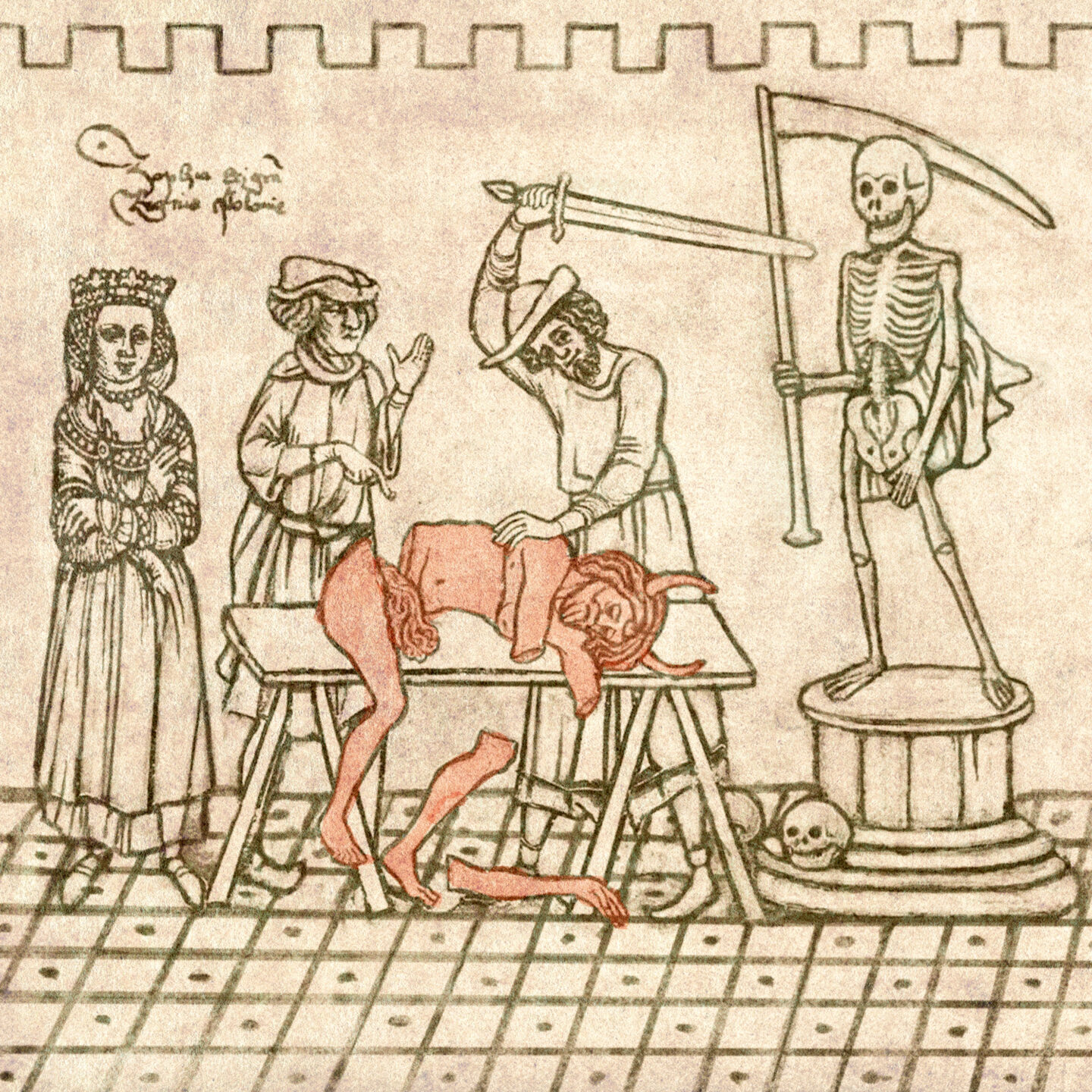 Rekonstrukcja ryciny ilustrującej zdradę i upadek mistrza Boruty, XV w.
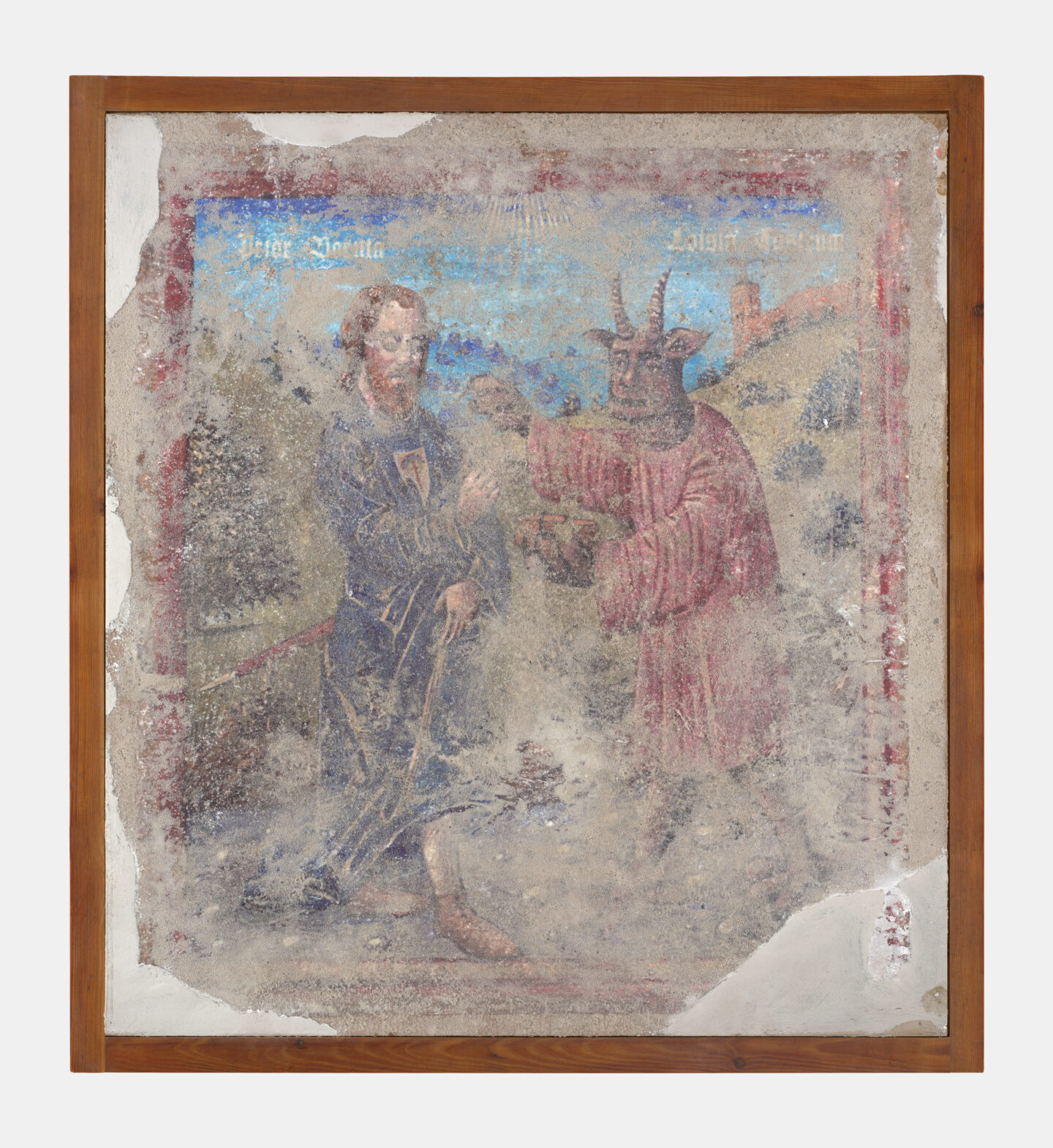 Fresk z zamku łęczyckiego ilustrujący diabła pomagającemu mistrzowi Borucie przy odbudowie zamku, XV w.
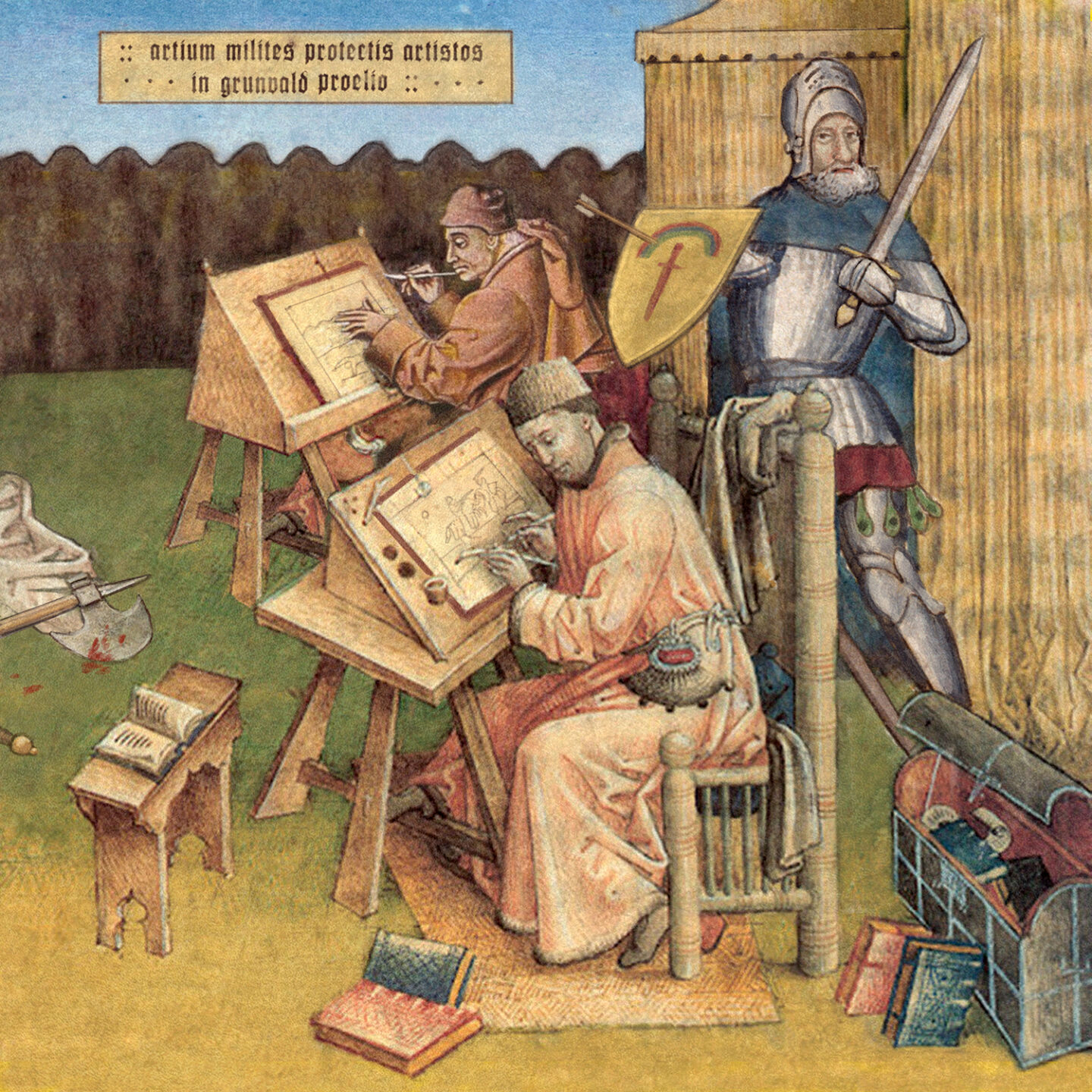 Ilustracja przedstawiającej rycerza Artium Milites ochraniającego rysowników podczas bitwy pod Grudwaldem, XV w.
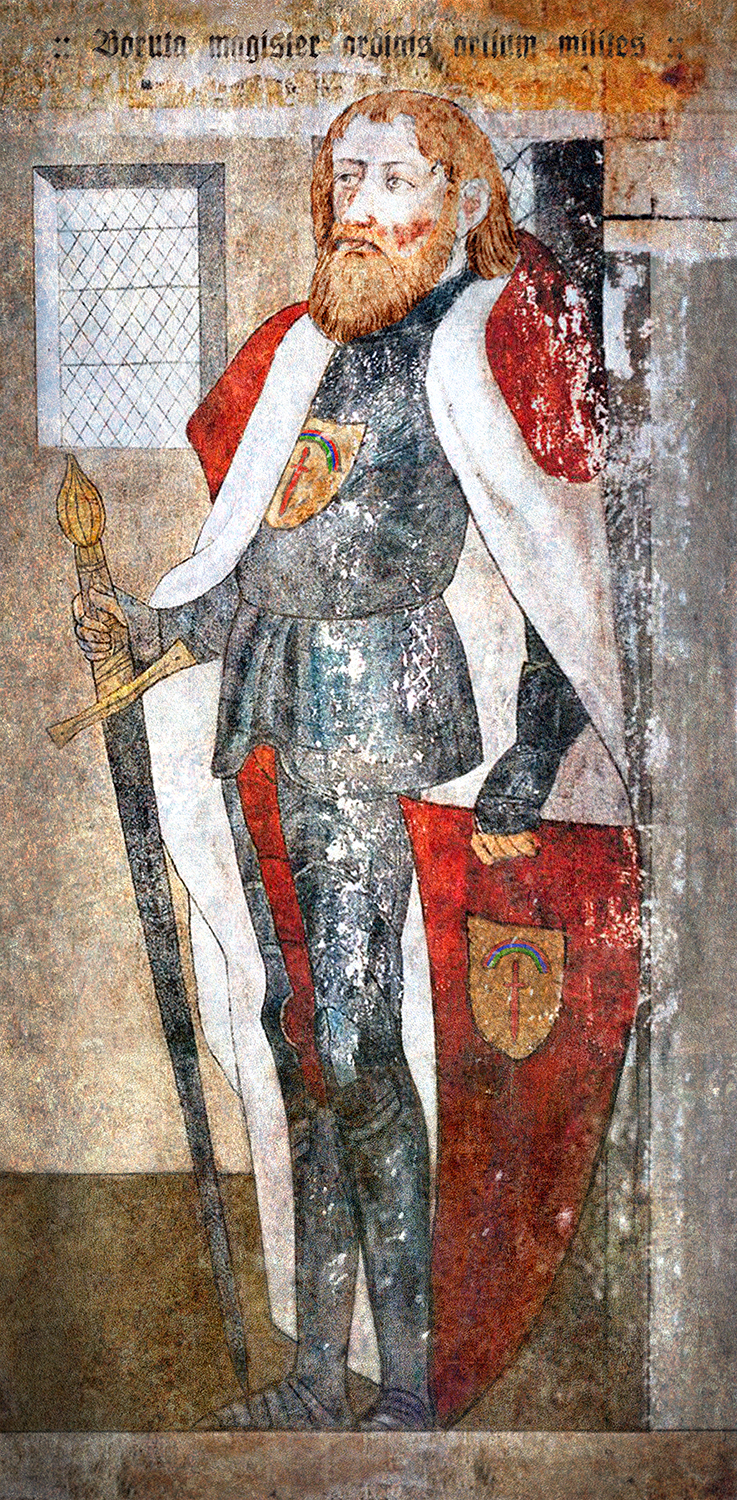 Fragment fresku z zamku w Łęczycy przedstawia Borutę Rokickiego w stroju rycerskim Artium Milites, XV w.
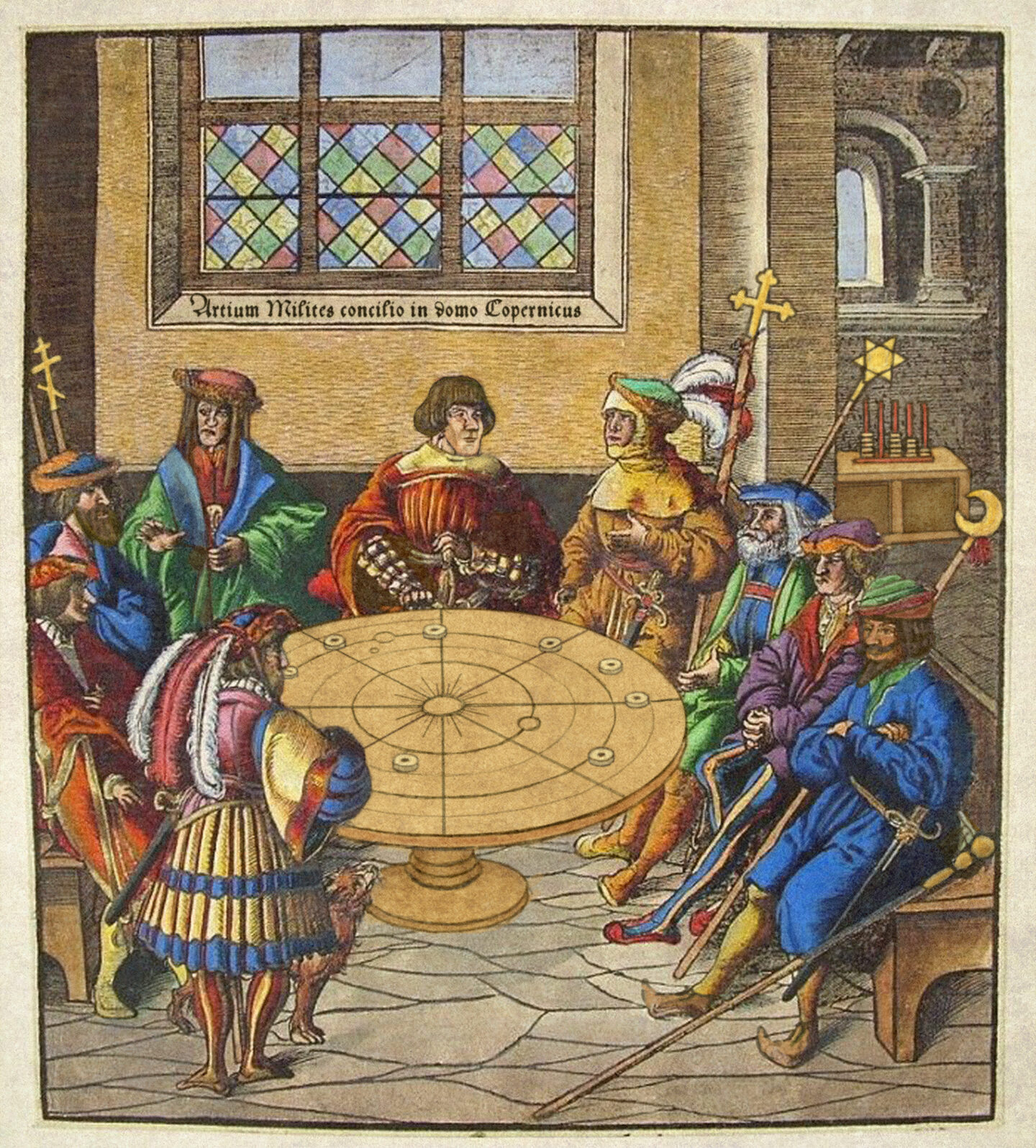 Zrekonstruowana grafika przedstawiająca zebranie pierwszej rady Atrium Milites, XVI w.
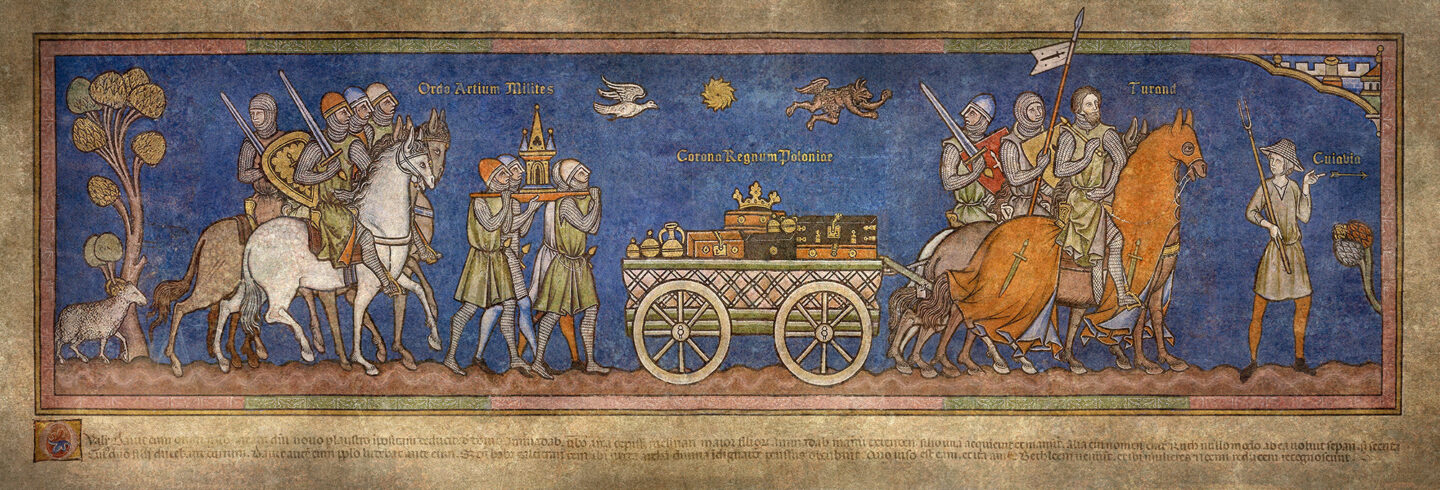 Ocalały fragment z Księgi Dziejów Artium Milites, Maciejowskiego, XIII w. rekonstrukcja cyfrowa Lew Sołowiej.
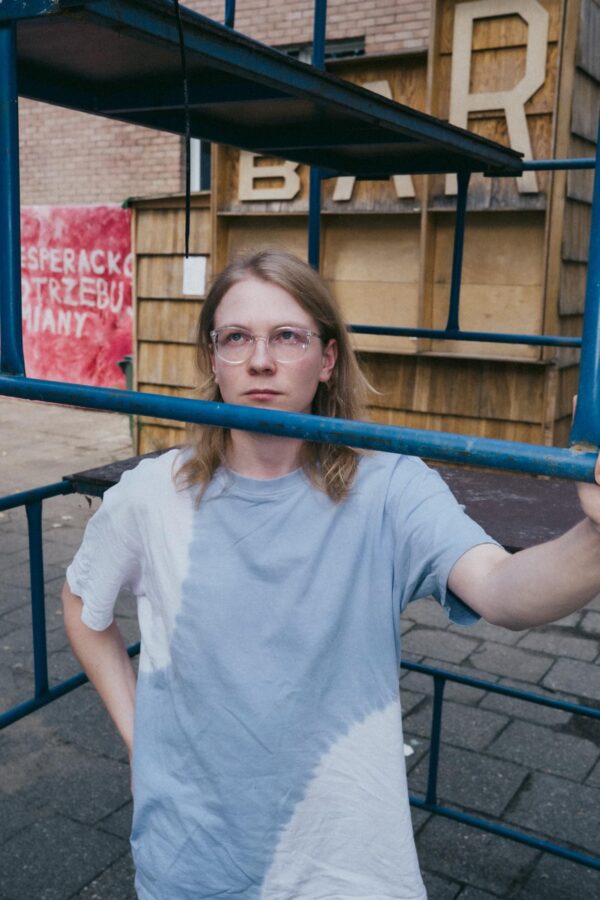 Horacy Muszyński (1994) is a Polish visual artist utilizing different media in his conceptual work. Initially, his artistic practice focused on the intersection of cinema and new media, incorporating elements of performance and mass culture, such as B-movie horror films. Currently, he concentrates on blending traditional art forms and exhibition methods with innovative narrative techniques.